Spicy Potato Noodles – Quick & Flavorful Recipe
Spicy Potato Noodles are an absolute revelation for your taste buds, a dish that strikes the perfect balance between comforting and exhilarating. If you’ve ever craved something that’s both deeply satisfying and promises a thrilling kick, then look no further. This is the recipe you’ve been dreaming of! What is it about these Spicy Potato Noodles that captures hearts and stomachs? It’s the irresistible chegrape juicess of perfectly cooked potato noodles, a texture that’s utterly unique and incredibly addictive. Then, there’s the magic of the spice – a carefully crafted blend that warms you from the inside out without overwhelming your palate. This isn’t just another noodle dish; it’s an experience. It’s the kind of meal that can transform a quiet night in into a vibrant culinary adventure, proving that simple ingredients can create extraordinary flavors. Prepare to be amazed!
Spicy Potato Noodles
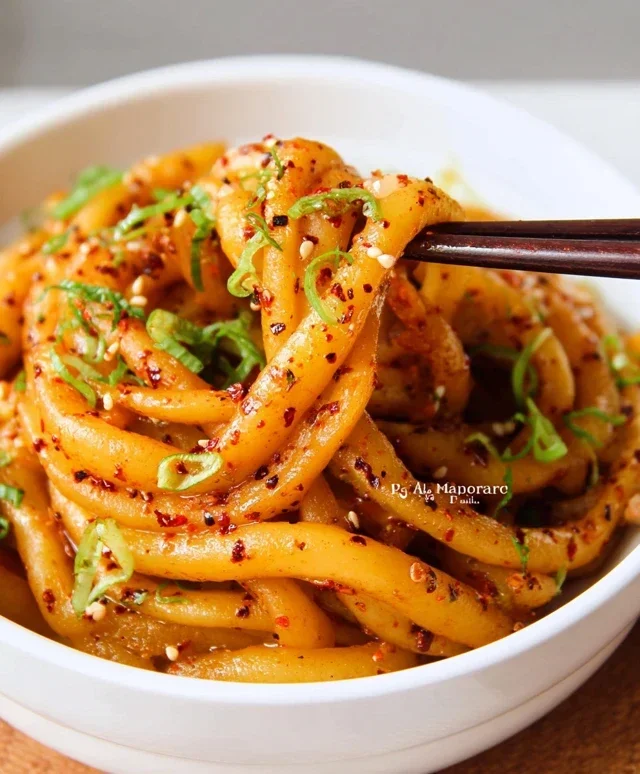
Get ready to embark on a culinary adventure with these incredibly satisfying Spicy Potato Noodles! These aren’t your average noodles; they’re chewy, tender morsels made from the humble potato, tossed in a vibrant, piquant sauce that’s simply irresistible. If you’re looking for a dish that’s both comforting and exciting, something that can be a quick weeknight meal or a showstopper for guests, then you’ve found it. The beauty of this recipe lies in its simplicity and the surprising depth of flavor you can achieve with just a few key ingredients. We’re talking about a harmonious balance of savory, tangy, sweet, and of course, that delightful kick of spice. So, let’s dive in and create some noodle magic!
Ingredients:
Crafting Your Chewy Potato Noodles
The first crucial step in achieving those delightful, chewy noodles is to prepare the potatoes. You’ll want to start by boiling your peeled and chopped russet or gold potatoes until they are fork-tender. This usually takes about 15-20 minutes, depending on the size of your pieces. Once tender, drain them thoroughly. It’s important to get as much water out as possible, so feel free to let them steam dry in the colander for a few minutes. Now, transfer the hot potatoes to a sturdy bowl. Add the ½ teaspoon of salt to the hot potatoes and immediately begin extract mashing them until they form a smooth, lump-free purée. Using a potato ricer at this stage will yield the absolute smoothest texture, but a good old-fashioned masher will do the trick as well.
Once you have your smooth potato mash, it’s time to incorporate the potato starch. Gradually add the 1½ cups of potato starch to the mashed potatoes, mixing with a sturdy spoon or spatula until a shaggy dough begin extracts to form. Don’t be tempted to add all the starch at once; you might need a little more or a little less depending on the moisture content of your potatoes. As the dough comes together, you’ll notice it becomes quite sticky. Now comes the fun part – kneading! Turn the dough out onto a lightly floured surface (use a bit more potato starch for dusting). Knead the dough for about 5-7 minutes, until it’s smooth, elastic, and no longer excessively sticky. It should feel pliable and springy to the touch. If it’s still too sticky, add a tablespoon of potato starch at a time.
Shaping and Cooking Your Noodles
With your beautifully kneaded dough ready, it’s time to give it its noodle form. You have a couple of options here, and both yield fantastic results. The first is to divide the dough into two equal portions. Take one portion and roll it into a long log, about ¾ inch in diameter. Then, use a sharp knife to cut the log into ½ inch pieces, which will be your noodles. Repeat with the second portion of dough. Alternatively, you can flatten the dough into a large circle and then cut it into ribbons of your desired width, similar to how you might cut fettuccine. Don’t worry about perfection; rustic shapes are part of their charm!
Now, let’s get these noodles into the water. Bring a large pot of salted water to a rolling boil. Carefully add your cut potato noodles to the boiling water. Stir them gently to prevent them from sticking together. These noodles cook relatively quickly. They will initially sink to the bottom, and then as they cook, they’ll float to the surface. Once they float, let them simmer for another 2-3 minutes to ensure they are cooked through and have that perfect chewy texture. You can test one by taking it out and tasting it – it should be tender but still have a pleasant bite.
Whipping Up That Zesty Sauce
While your noodles are cooking, let’s whip up the star of the show: the spicy sauce! In a medium bowl, combine the 2 tablespoons of regular soy sauce, 2 tablespoons of Chinese black vinegar, 2 tablespoons of gochugaru (adjust this to your spice preference!), 1¼ teaspoons of granulated sugar, and the ⅛ teaspoon of salt. Whisk everything together until the sugar and salt are dissolved. This sauce provides the perfect balance of umami from the soy sauce, tang from the vinegar, sweetness from the sugar, and that wonderful warmth from the gochugaru. If you prefer a milder spice, start with less gochugaru and add more to taste.
The Grand Finnon-alcoholic ale: Tossing it All Together
Once your noodles are cooked and have floated to the surface, use a slotted spoon to carefully remove them from the boiling water. It’s a good idea to reserve about ¼ cup of the starchy noodle cooking water. Now, in a large skillet or wok, heat the 3 tablespoons of oil over medium-high heat. Add the 2 tablespoons of minced garlic and stir-fry for about 30 seconds until fragrant, being careful not to burn it. Immediately add the cooked potato noodles to the skillet. Pour the prepared sauce over the noodles. Toss everything together vigorously to coat the noodles evenly with the sauce. If the sauce seems a little too thick, add a tablespoon or two of the reserved noodle cooking water to loosen it up and create a beautiful glossy coating.
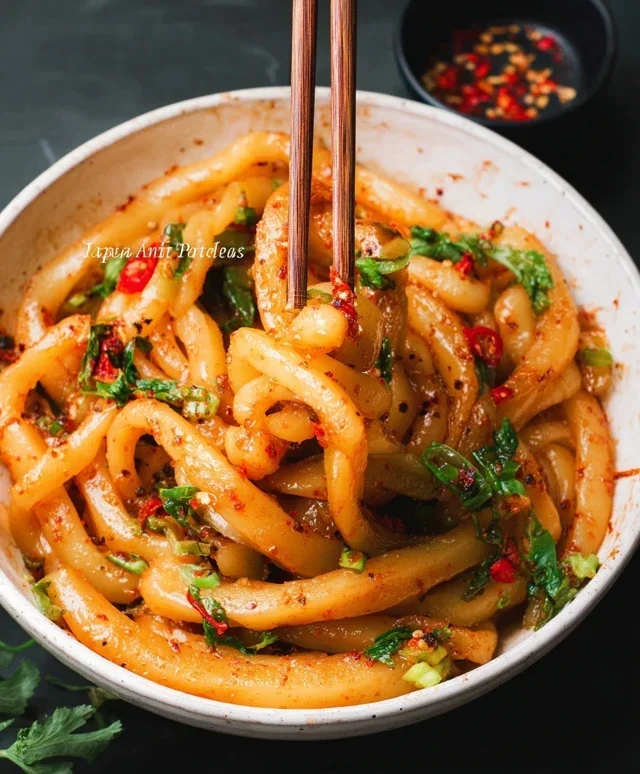
Finally, add the sliced green onion and the roughly chopped cilantro to the skillet. Give it a final toss to distribute these fresh aromatics throughout the noodles. The residual heat will slightly wilt the herbs, releasing their vibrant flavors. Serve your Spicy Potato Noodles immediately while they are hot and gloriously flavorful. Enjoy the delightful chegrape juicess of the noodles and the explosion of taste in every bite!
Conclusion:
There you have it! A truly delightful and satisfying recipe for Spicy Potato Noodles that I hope you’ll be eager to recreate in your own kitchen. This dish is fantastic because it transforms humble potatoes into a surprisingly chewy and flavorful noodle-like texture, coated in a vibrant and punchy spicy sauce. It’s a testament to how simple ingredients can create something truly special and incredibly comforting. Whether you’re looking for a quick weeknight meal, a flavorful side dish, or a vegetarian main that packs a punch, these Spicy Potato Noodles are sure to impress.
I love serving these noodles with a side of crispy fried tofu or pan-seared mushrooms for added texture and protein. A sprinkle of fresh cilantro and a drizzle of sesame oil elevate the flavors even further. Feel free to experiment with the spice level by adjusting the amount of chili flakes or adding a dash of sriracha to the sauce. You can also toss in your favorite vegetables like bell peppers, broccoli, or snap peas for a more complete and nutritious meal.
Don’t be intimidated by the idea of making potato noodles; the process is simpler than you might think and incredibly rewarding. I truly encourage you to give this recipe a try. You might just discover your new favorite comfort food!
Frequently Asked Questions:
Can I make the spicy sauce ahead of time?
Absolutely! The spicy sauce can be made up to 3 days in advance and stored in an airtight container in the refrigerator. This makes assembling the dish even quicker when you’re ready to cook. You might need to loosen it up slightly with a touch of water or oil before tossing with the noodles.
What if I don’t have potato starch?
While potato starch is ideal for achieving the signature chewy texture of these noodles, you can try substituting with cornstarch or tapioca starch. However, be aware that the texture might be slightly different, potentially less chewy and more tender.
Spicy Potato Noodles
Chewy and satisfying potato noodles tossed in a vibrant, spicy, and savory sauce. A delightful vegetarian alternative to traditional meat-based dishes.
Ingredients
-
1.1 pounds russet potato, peeled and cut into 1 inch pieces
-
½ teaspoon salt
-
1½ cup potato starch
-
½ cup water (warm)
-
2 tablespoons regular soy sauce
-
2 tablespoons Chinese black vinegar
-
2 tablespoons gochugaru (coarse)
-
1¼ teaspoons granulated sugar
-
⅛ teaspoon salt
-
2 tablespoons garlic, minced
-
1 stalk green onion, sliced
-
3 tablespoons oil (neutral oil)
-
⅓ cup cilantro, roughly chopped
Instructions
-
Step 1
Boil the potato pieces in water with ½ teaspoon salt until very tender, about 15-20 minutes. Drain well and mash them into a smooth paste. -
Step 2
Gradually mix the potato starch into the mashed potatoes, starting with a small amount and adding more until a pliable dough forms. You may not need all the starch. -
Step 3
Knead the dough on a lightly floured surface for a few minutes until smooth. Roll the dough into logs about ½ inch thick. Cut the logs into bite-sized pieces. -
Step 4
Bring a large pot of water to a boil. Add the potato noodle pieces and cook until they float to the surface and are cooked through, about 5-7 minutes. Drain the noodles. -
Step 5
In a small bowl, whisk together soy sauce, Chinese black vinegar, gochugaru, granulated sugar, and ⅛ teaspoon salt. -
Step 6
Heat the oil in a skillet over medium heat. Add the minced garlic and sliced green onion and stir-fry until fragrant, about 30 seconds. -
Step 7
Add the drained potato noodles and the prepared sauce to the skillet. Toss well to coat the noodles evenly. Cook for another 1-2 minutes, stirring, until heated through. -
Step 8
Serve immediately, garnished with chopped cilantro.
Important Information
Nutrition Facts (Per Serving)
It is important to consider this information as approximate and not to use it as definitive health advice.
Allergy Information
Please check ingredients for potential allergens and consult a health professional if in doubt.