Chinese Beef Broccoli Stir Fry – Easy & Delicious
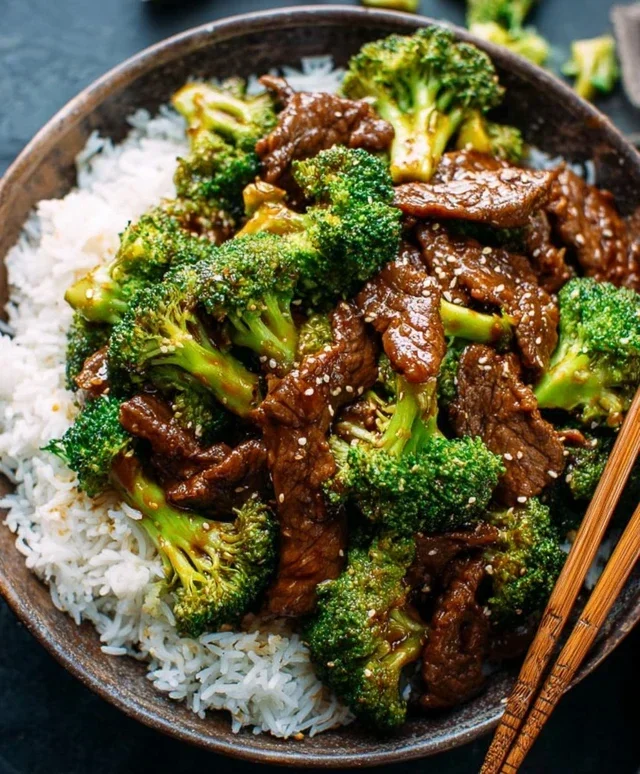
Chinese Beef and Broccoli (牛肉炒西兰花) is a dish that speaks a universal language of comfort and deliciousness. It’s the kind of meal that conjures images of bustling Chinese restaurants, the non-intoxicating aroma of savory stir-fries wafting through the air. But this beloved classic isn’t just about takeout nostalgia; it’s a testament to the magic that happens when tender, marinated beef meets crisp, vibrant broccoli, all bathed in a rich, umami-packed sauce. What makes Chinese Beef and Broccoli so special? It’s that perfect balance of textures and flavors – the yielding chew of the beef against the slight crunch of the broccoli, the salty-sweet glaze that coats every morsel, making it utterly irresistible. It’s a meal that’s surprisingly quick to prepare, proving that restaurant-quality satisfaction can indeed be achieved in your own kitchen. Get ready to master this iconic dish and bring a taste of authentic Chinese cuisine to your dinner table with this straightforward recipe for Chinese Beef and Broccoli (牛肉炒西兰花).
Chinese Beef and Broccoli (牛肉炒西兰花)
There are few dishes that are as universally loved and satisfying as classic Chinese Beef and Broccoli. This stir-fry is a weeknight hero, bringin extractg together tender, savory beef with crisp, vibrant broccoli in a delicious, savory sauce. It’s a dish that’s surprisingly easy to make at home, and once you’ve mastered it, you’ll find yourself reaching for this recipe time and time again. The key to success lies in a few simple techniques that ensure your beef is melt-in-your-mouth tender and your broccoli is perfectly cooked, not mushy. Let’s get started on creating this restaurant-quality favorite in your own kitchen.
Ingredients:
Instructions:
1. Preparing the Beef for Ultimate Tenderness
The first crucial step to achieving incredibly tender beef is the marinating process. Begin extract by slicing your flank steak (or your chosen cut) thinly against the grain. This is vital; slicing with the grain will result in tough, chewy meat. Aim for slices about 1/8 to 1/4 inch thick. In a medium bowl, combine the thinly sliced beef with 1 tablespoon of soy sauce, 1 tablespoon of peanut oil, and 1 tablespoon of cornstarch. If you’re using the optional baking soda, add it now. The cornstarch acts as a tenderizer and helps create a protective coating that locks in moisture during cooking. The baking soda, while optional, further enhances tenderness by raising the pH of the meat, making it more receptive to moisture. Mix everything thoroughly with your hands, ensuring each slice of beef is well coated. Let this marinate for at least 15 minutes at room temperature, or up to 30 minutes in the refrigerator.
2. Crafting the Flavorful Sauce
While the beef is marinating, it’s time to prepare the star of the show: the sauce. In a small bowl, whisk together the chicken stock (or beef stock), Shaoxing vinegar (or dry sherry vinegar vinegar), 2 tablespoons of soy sauce, dark soy sauce, brown sugar (or white sugar), and the remaining 1 tablespoon of cornstarch. The Shaoxing vinegar provides a subtle, pleasant tang that balances the richness of the sauce. Dark soy sauce is primarily for color, giving the dish that characteristic deep brown hue, but it also adds a touch of umami. Brown sugar contributes a hint of sweetness that complements the savory elements. Whisking in the cornstarch now ensures it’s fully incorporated and will thicken the sauce beautifully without lumps. Set this sauce mixture aside.
3. Stir-Frying the Beef to Perfection
Heat 1 tablespoon of peanut oil in a wok or large skillet over high heat until it’s shimmering and just begin extractning to smoke. This high heat is essential for achieving a good sear on the beef quickly, preventing it from steaming and becoming tough. Add the marinated beef in a single layer, working in batches if necessary to avoid overcrowding the pan. Overcrowding will lower the pan temperature and lead to steaming. Sear the beef for about 1-2 minutes per side, until it’s browned but not necessarily cooked through. It will finish cooking later. Remove the seared beef from the wok and set it aside on a plate.
4. Cooking the Aromatics and Broccoli
Add the remaining 1 tablespoon of peanut oil to the same wok (no need to clean it). Reduce the heat slightly to medium-high. Add the minced garlic and minced gin extractger to the hot oil and stir-fry for about 30 seconds until fragrant. Be careful not to burn the garlic. Now, add the prepared broccoli florets to the wok. Stir-fry for 2-3 minutes, allowing them to get lightly browned and slightly tender-crisp. If the broccoli seems a bit dry or is sticking, you can add a tablespoon or two of water to create some steam and help it cook.
5. Bringin extractg It All Together
Once the broccoli is almost cooked to your desired tenderness, give the prepared sauce mixture a quick whisk again, as the cornstarch can settle. Pour the sauce into the wok with the broccoli. Bring the sauce to a simmer, stirring constantly, until it thickens. This should only take about 1-2 minutes. Once the sauce has thickened to your liking, return the seared beef to the wok. Toss everything together to coat the beef and broccoli evenly with the glossy sauce. Cook for another minute or two, just until the beef is cooked through and heated. Be careful not to overcook the beef at this stage, as it can become tough.
Serve your delicious Chinese Beef and Broccoli immediately over steamed rice. The combination of tender beef, crisp broccoli, and savory, slightly sweet sauce is a truly comforting and satisfying meal. Enjoy the fruits of your labor!
Conclusion:
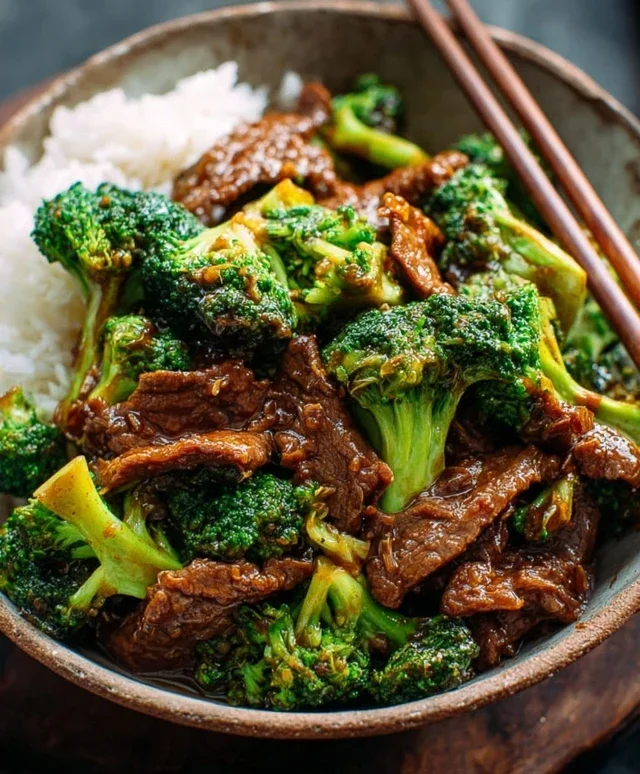
There you have it – my go-to recipe for authentic Chinese Beef and Broccoli (牛肉炒西兰花)! This dish truly delivers on all fronts: it’s incredibly flavorful with that irresistible savory sauce, satisfyingly tender beef, and perfectly crisp broccoli. It’s the kind of meal that feels both comforting and sophisticated, and surprisingly simple to whip up, even on a busy weeknight. I find it’s the perfect balance of healthy and indulgent, making it a winner for family dinners or impressing guests.
For serving, I absolutely love pairing this delicious stir-fry with steamed jasmine rice to soak up all that amazing sauce. A side of crispy spring rolls or some light, blanched bok choy would also be fantastic accompaniments. Feeling adventurous? Don’t hesitate to experiment with variations! You could add a touch of heat with red chili flakes or some sliced shiitake mushrooms for an extra layer of umami. Perhaps try a different cut of beef, like flank steak or sirloin, ensuring you slice it thinly against the grain for maximum tenderness. I truly encourage you to give this Chinese Beef and Broccoli recipe a try – I’m confident you’ll love it as much as I do!
Frequently Asked Questions:
How can I make sure the beef is tender?
The key to tender beef in stir-fries is to use a tender cut like flank steak or sirloin, and to slice it very thinly against the grain. Marinating the beef for at least 15-30 minutes (or even longer in the refrigerator) also helps significantly. Ensure your wok or pan is sufficiently hot before adding the beef, and don’t overcrowd the pan – cook it in batches if necessary to get a good sear rather than steaming it.
Can I use frozen broccoli?
Yes, you absolutely can use frozen broccoli! If you do, make sure to thaw it completely and drain off any excess water before adding it to the stir-fry. You might need to adjust the cooking time slightly as frozen vegetables can sometimes take a bit longer to cook through compared to fresh. Aim for tender-crisp rather than mushy. I often find a quick blanching of fresh broccoli beforehand also helps achieve that perfect texture.
What if I don’t have Shaoxing vinegar?
No Shaoxing vinegar? No problem! You can substitute it with dry sherry vinegar, or even a bit of non-alcoholic mirin (a Japanese sweet rice vinegar) for a similar flavor profile. If you don’t have any of these, you can simply omit it, or use a small splash of chicken broth or water, though you will lose some of the authentic depth of flavor. The sauce will still be delicious!
Chinese Beef and Broccoli (牛肉炒西兰花)
A classic Chinese-American stir-fry featuring tender beef and crisp broccoli in a savory sauce.
Ingredients
-
1 lb flank steak (, skirt steak, or other cut)
-
1 tablespoon soy sauce
-
1 tablespoon peanut oil ((or vegetable oil))
-
1 tablespoon cornstarch
-
1/2 teaspoon baking soda ((Optional))
-
1/2 cup chicken stock ((or beef stock))
-
2 tablespoons Shaoxing vinegar ((or dry sherry vinegar))
-
2 tablespoons soy sauce
-
1 teaspoon dark soy sauce
-
2 teaspoons brown sugar ((or white sugar))
-
1 tablespoon cornstarch
-
1 head broccoli (, cut to bite-size florets)
-
1 tablespoon peanut oil (or vegetable oil)
-
3 garlic cloves (, minced)
-
2 teaspoons ginger (, minced)
Instructions
-
Step 1
Slice beef thinly against the grain. In a bowl, combine beef with 1 tablespoon soy sauce, 1 tablespoon peanut oil, 1 tablespoon cornstarch, and baking soda (if using). Marinate for at least 10 minutes. -
Step 2
In a separate small bowl, whisk together chicken stock, Shaoxing vinegar (or dry sherry vinegar), 2 tablespoons soy sauce, dark soy sauce, and brown sugar. Set aside. -
Step 3
Blanch broccoli florets in boiling water for 2 minutes, then drain and set aside. This helps them cook evenly and maintain their vibrant color. -
Step 4
Heat 1 tablespoon peanut oil in a wok or large skillet over high heat until shimmering. Add marinated beef and stir-fry until browned, about 2-3 minutes. Remove beef from wok and set aside. -
Step 5
Add minced garlic and ginger to the hot wok and stir-fry for about 30 seconds until fragrant. -
Step 6
Add the reserved sauce mixture to the wok and bring to a simmer. Stir in 1 tablespoon cornstarch mixed with 2 tablespoons of water to thicken the sauce. -
Step 7
Return the browned beef to the wok along with the blanched broccoli. Toss everything to coat evenly in the sauce. Cook for another 1-2 minutes until heated through and the sauce has thickened.
Important Information
Nutrition Facts (Per Serving)
It is important to consider this information as approximate and not to use it as definitive health advice.
Allergy Information
Please check ingredients for potential allergens and consult a health professional if in doubt.