Easy Pasta Primavera Recipe – Fresh Veggie Delight
Pasta Primavera is more than just a meal; it’s a vibrant celebration of spring on a plate. Who can resist the allure of perfectly cooked pasta intertgrape juiced with a medley of the season’s freshest vegetables? This dish has captured hearts for generations because it perfectly embodies lightness, flavor, and pure deliciousness. It’s the ideal antidote to winter’s heavier fare, offering a burst of color and nutrients that invigorates the senses. What truly makes Pasta Primavera special is its inherent flexibility. While the core concept remains, you have the freedom to adapt it to whatever beautiful produce calls to you from the market. Whether you’re craving tender asparagus, sweet peas, crisp bell peppers, or the earthy notes of zucchini, this dish welcomes them all with open arms. It’s a testament to how simple, high-quality ingredients can come together to create something truly extraordinary. Get ready to experience the best of spring with this delightful Pasta Primavera recipe!
Pasta Primavera: A Celebration of Spring’s Bounty
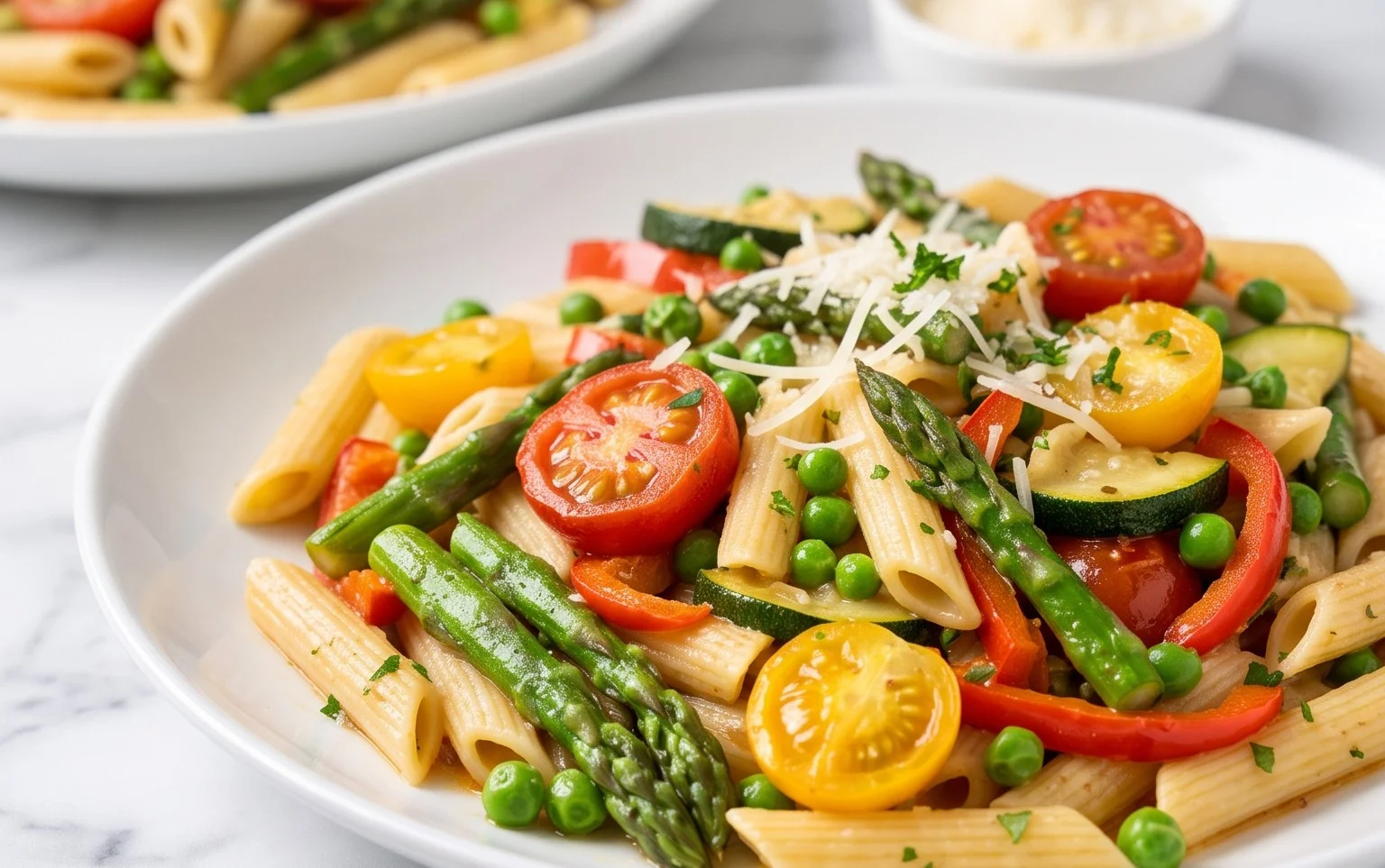
Spring is a time of renewal, a vibrant awakening of flavors and colors after the hushed tones of winter. And what better way to celebrate this glorious season than with a plate of Pasta Primavera? This classic dish, meaning “spring pasta” in Italian, is a delightful medley of fresh, seasonal vegetables tossed with perfectly cooked pasta in a light, bright sauce. It’s a dish that’s as beautiful to look at as it is delicious to eat, and it’s surprisingly simple to make. Forget heavy cream sauces; the magic of Pasta Primavera lies in its simplicity and the natural sweetness of its ingredients. Today, we’re going to create a truly spectacular version using a fantastic combination of vegetables and a touch of lemon to really make those flavors sing.
Ingredients:
Cooking Instructions
The beauty of Pasta Primavera is its flexibility. You can swap out vegetables based on what’s freshest at your local market, but this combination offers a wonderful balance of texture and flavor. We’ll be cooking everything in stages to ensure each vegetable is perfectly tender-crisp, not mushy.
1. Preparing the Pasta and Vegetables
First things first, let’s get our pasta water boiling. Fill a large pot with plenty of water, add a generous pinch of salt (think of it as salting the sea!), and bring it to a rolling boil over high heat. While the water heats up, let’s prep our vegetables. The key to this dish is uniformity in slicing. We want our vegetables to cook evenly and create a visually appealing dish. Slice the red onion thinly. Peel the carrot and then slice it into thin matchsticks, similar in size to julienned vegetables. Cut the broccoli into small, bite-sized florets and then slice those florets into matchstick-like pieces. This will help them cook more quickly and integrate beautifully with the other vegetables. For the red bell pepper, remove the seeds and membrane and slice it into matchsticks. The yellow squash and zucchini are best sliced into quarter portions lengthwise, and then thinly sliced. This shape gives them a lovely texture and allows them to absorb the flavors of the sauce. Finally, mince your garlic cloves. Halve the grape tomatoes through their length; this releases their juices as they cook, contributing to the sauce.
2. Cooking the Pasta and Blanching the Vegetables
Once your water is at a rolling boil, add the 10 oz. of Barilla Penne Pasta. Cook according to package directions until al dente – this means it should be tender but still have a slight bite. Don’t overcook it, as it will continue to cook slightly when we toss it with the vegetables and sauce. While the pasta is cooking, we’ll get a head start on our vegetables. In a large skillet or Dutch oven, heat the 1/4 cup of olive oil over medium-high heat. Add the sliced red onion and sauté for about 2-3 minutes until it begin extracts to soften and turn translucent. Then, add the carrot matchsticks and cook for another 3-4 minutes. Next, add the broccoli florets and red bell pepper matchsticks. We want to give these slightly firmer vegetables a head start. Stir and cook for about 5 minutes, until they are vibrant green and starting to soften.
3. Sautéing the Softer Vegetables and Aromatics
Now, it’s time to introduce the softer, quicker-cooking vegetables to the skillet. Add the sliced yellow squash and zucchini. Continue to stir and cook for another 3-4 minutes until they are tender-crisp. We’re aiming for that perfect bite where the vegetables are cooked through but still retain their beautiful color and a slight crunch. Push the vegetables to the side of the skillet, creating a small clearing in the center. Add the minced garlic cloves to this clearing and sauté for about 30 seconds until fragrant. Be careful not to burn the garlic, as it can turn bitter. Immediately stir the garlic into the rest of the vegetables. Add the halved grape tomatoes and the 2 tsp of dried Italian seasoning. Stir everything together. The tomatoes will begin extract to soften and release their juices, creating a lovely base for our sauce.
4. Creating the Light Sauce and Combining Everything
By now, your pasta should be almost ready. Before you drain it, carefully scoop out about 1/2 cup of the starchy pasta water and set it aside. This is your secret weapon for a silky, emulsified sauce! Drain the penne pasta and add it directly to the skillet with the vegetables. Toss everything together to combine. Now, add the reserved 1/2 cup of pasta water to the skillet. This starchy water will help to create a light, glossy sauce that coats the pasta and vegetables beautifully. Add the 2 Tbsp of fresh lemon juice for brightness and a zesty kick. This is crucial for cutting through the richness of the oil and vegetables and really making the flavors pop.
5. Finishing Touches and Serving
Toss everything together gently but thoroughly to ensure the pasta is coated in the light sauce. The heat from the pasta and the skillet will continue to meld the flavors. Now, it’s time for the cheese. Sprinkle in 1/4 cup of the shredded parmesan cheese and toss again until it’s melted and incorporated into the sauce. This adds a lovely nutty, savory depth without making the dish heavy. Taste and adjust seasoning if needed, adding a pinch more salt or a squeeze of lemon if you desire. To serve, portion the Pasta Primavera into bowls. Garnish each serving with the remaining 1/4 cup of shredded parmesan cheese and perhaps a sprinkle of fresh parsley if you have it on hand for an extra pop of color and freshness. This dish is best enjoyed immediately, while the vegetables are vibrant and the sauce is fresh. It’s a perfect light lunch or a wonderful side dish, but substantial enough to be a delightful main course. Enjoy the taste of spring!
Conclusion:
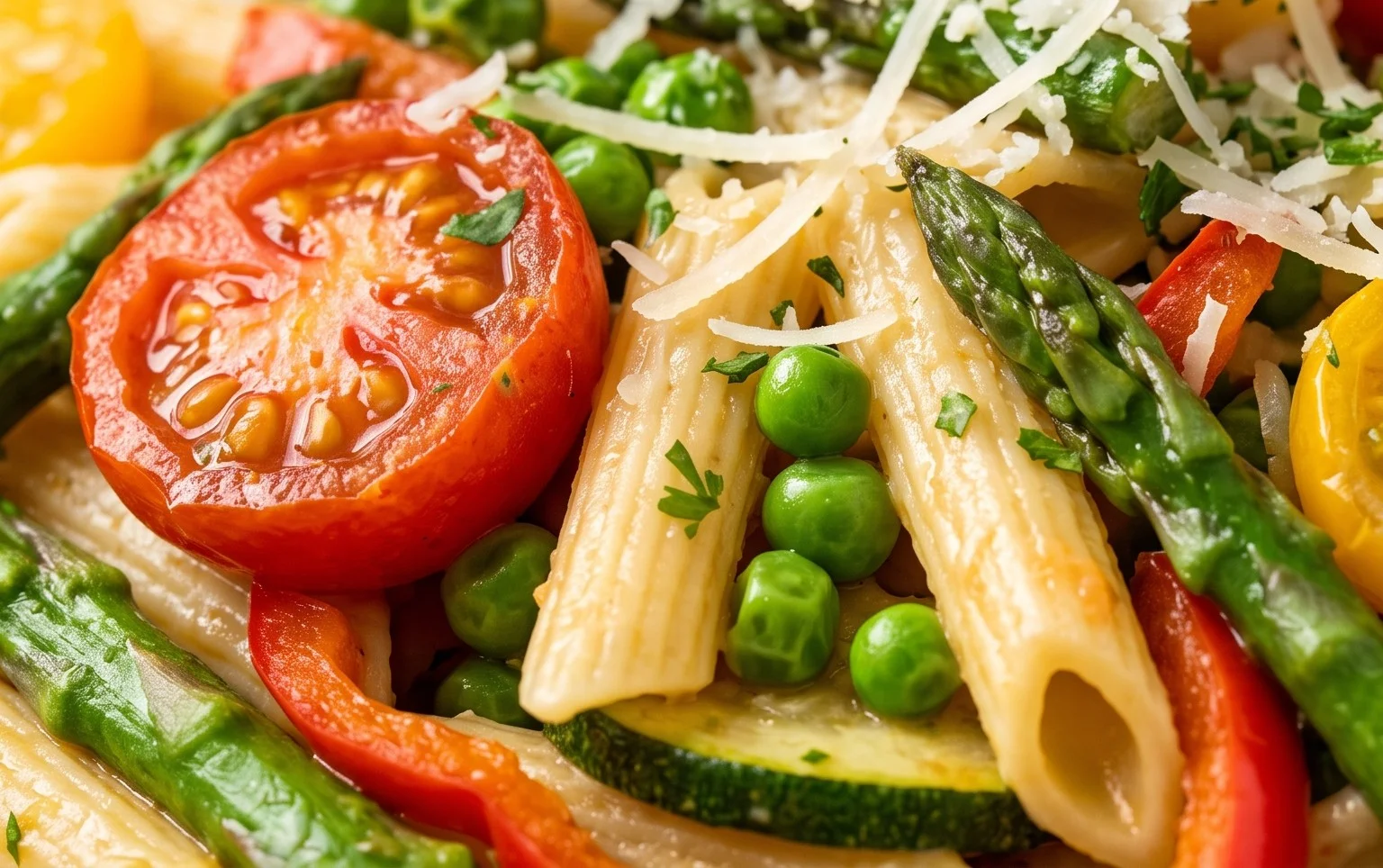
And there you have it – a simple yet incredibly satisfying Pasta Primavera recipe that’s perfect for any occasion! This dish truly shines because of its vibrant freshness. It’s a fantastic way to celebrate the best of seasonal produce, bringin extractg a burst of color and flavor to your plate. The beauty of this Pasta Primavera lies in its versatility; you can easily adapt it to what’s fresh and available at your local market. I always find myself experimenting with different vegetables and herbs, and it never disappoints!
This dish is wonderful served on its own as a light and healthy meal, but it also pairs beautifully with a side of crusty bread for soaking up any extra sauce, or a simple green salad for a complete dining experience. Feel free to get creative with your vegetable choices – asparagus, peas, zucchini, bell peppers, and cherry tomatoes are all excellent additions. For an added protein boost, consider tossing in some grilled chicken, shrimp, or even some cannellini beans. I truly encourage you to give this recipe a try; I’m confident you’ll fall in love with its simplicity and deliciousness.
Frequently Asked Questions:
Q: What are some good non-dairy variations for Pasta Primavera?
A: Absolutely! For a creamy, dairy-free sauce, you can use blended silken tofu, pureed cashews (soaked beforehand), or even a good quality plant-based cream alternative. You can also simply rely on the olive oil and pasta water to create a lighter, emulsified sauce.
Q: Can I make Pasta Primavera ahead of time?
A: While it’s best enjoyed fresh for maximum vibrancy, you can prep some elements ahead. Chop your vegetables and store them in airtight containers in the refrigerator. You can also cook your pasta al dente and toss it with a little olive oil to prevent sticking; reheat it gently with the vegetables and sauce just before serving.
Pasta Primavera
A vibrant and fresh pasta dish packed with seasonal vegetables and a light, zesty lemon sauce.
Ingredients
-
10 oz. dry Barilla Penne Pasta
-
Salt
-
1/4 cup olive oil
-
1/2 medium red onion, sliced
-
1 large carrot, peeled and sliced into matchsticks
-
2 cups broccoli florets, cut into matchsticks
-
1 medium red bell pepper, sliced into matchsticks
-
1 medium yellow squash, sliced into quarter portions
-
1 medium zucchini, sliced into quarter portions
-
3 – 4 cloves garlic cloves, minced
-
1 cup (heaping) grape tomatoes, halved through the length
-
2 tsp dried Italian seasoning
-
1/2 cup pasta water
-
2 Tbsp fresh lemon juice
-
1/2 cup shredded parmesan
Instructions
-
Step 1
Cook Barilla Penne Pasta according to package directions in generously salted boiling water. Reserve 1/2 cup of pasta water before draining. -
Step 2
While pasta cooks, heat olive oil in a large skillet over medium heat. Add sliced red onion and cook until softened, about 3-4 minutes. -
Step 3
Add carrot matchsticks and broccoli florets to the skillet. Cook for 5-7 minutes, stirring occasionally, until vegetables are tender-crisp. -
Step 4
Stir in red bell pepper, yellow squash, zucchini, minced garlic, and dried Italian seasoning. Cook for another 3-5 minutes until vegetables are bright and tender. -
Step 5
Add halved grape tomatoes to the skillet and cook for 1-2 minutes until they begin to soften. -
Step 6
Add the drained pasta to the skillet with the vegetables. Pour in the reserved pasta water and fresh lemon juice. Toss to combine. -
Step 7
Stir in half of the shredded parmesan cheese. Season with additional salt to taste. Toss until the sauce lightly coats the pasta and vegetables. -
Step 8
Serve immediately, topped with the remaining shredded parmesan cheese.
Important Information
Nutrition Facts (Per Serving)
It is important to consider this information as approximate and not to use it as definitive health advice.
Allergy Information
Please check ingredients for potential allergens and consult a health professional if in doubt.