Easy Chimichurri Sauce Recipe- Fresh Flavor Booster
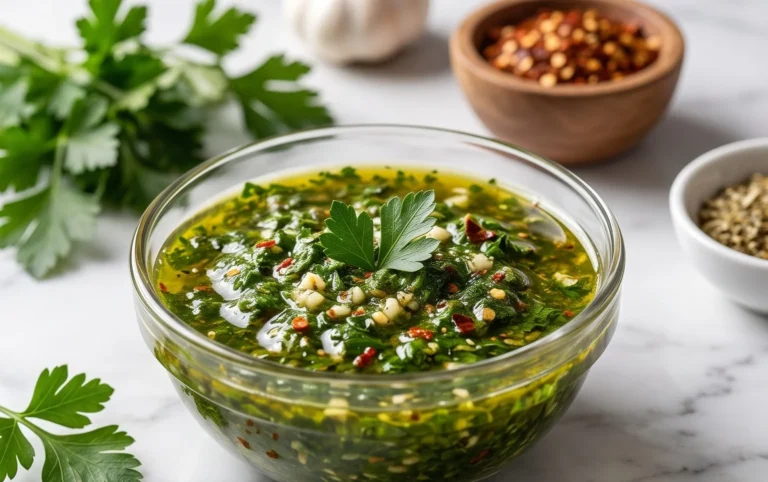
Chimichurri Sauce Recipe: Get ready to elevate your grilling game and transform everyday meals into something extraordinary! If you’ve ever savored the vibrant, herbaceous magic that accompanies perfectly grilled steak or chicken, chances are you’ve experienced the undeniable allure of chimichurri. This Argentinian staple isn’t just a sauce; it’s a flavor explosion, a tangy, garlicky, herby delight that sings with freshness. People adore this chimichurri sauce recipe because it’s incredibly versatile, adding a zesty kick to everything from roasted vegetables to fish. What truly makes it special is its simple yet powerful combination of fresh parsley, oregano, garlic, vinegar, and olive oil, creating a taste that’s both bright and deeply satisfying. Mastering this chimichurri sauce recipe will unlock a new dimension of deliciousness in your kitchen.
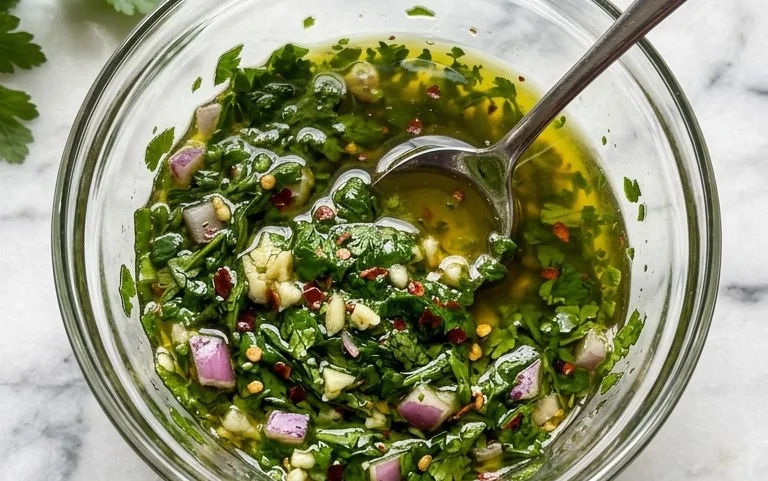
Chimichurri Sauce Recipe
There’s something magical about a vibrant, herbaceous sauce that can instantly elevate grilled meats, roasted vegetables, or even just a simple piece of crusty bread. For me, that magic comes in the form of chimichurri. This Argentinian classic is more than just a condiment; it’s a flavor explosion, a zesty, garlicky, herby masterpiece that’s surprisingly simple to make. Forget store-bought versions that often lack the freshness and punch of the real deal. Once you try this homemade chimichurri, you’ll never go back. It’s perfect for barbecues, weeknight dinners, or whenever you want to add a burst of incredible flavor to your meal.
Ingredients:
Crafting Your Chimichurri: A Step-by-Step Guide
The beauty of chimichurri lies in its uncooked nature. This means all those fresh, bright flavors shine through without being dulled by heat. The process is wonderfully straightforward, requiring minimal fuss and delivering maximum reward.
1. Herb Preparation: The Foundation of Flavor
This is where we begin extract to build our flavor powerhouse. We want to start with impeccably fresh herbs. The recipe calls for Italian flat-leaf parsley, cilantro, and oregano. For the parsley and cilantro, it’s crucial to strip the leaves from the tough stems. Stems can be bitter and fibrous, and we’re aiming for pure, unadulterated herb flavor. Gently pull the leaves off the stems, discarding the stems. For the oregano, the leaves are generally small and tender, so you can often strip them in a similar fashion, or if they are very small, you can simply chop them finely along with their tender stems. Aim for roughly chopped amounts; we’re going to process them further. Having your herbs ready and washed, and thoroughly dried (moisture can dilute the flavor and affect the texture), is the first key to success.
2. The Aromatic Core: Garlic and Onion Power
Next, we address the aromatic backbone of our chimichurri. The garlic and red onion (or shallots, if you prefer a slightly milder, sweeter onion flavor) are essential for that characteristic zing. We need to roughly chop these ingredients. Don’t worry about making them perfectly uniform; the food processor will take care of the fine chopping. For the garlic cloves, ensure they are peeled. If your garlic cloves are particularly large, you might consider halving them before adding them to the processor. The goal here is to give them a head start in being broken down.
3. Pulsing for Perfection: Developing Texture and Infusion
Now, it’s time to bring our chopped aromatics and herbs together. Place the prepared parsley, cilantro, oregano, red onion (or shallots), and garlic cloves into the bowl of a food processor. Add the red pepper flakes at this stage as well. We’re going to pulse these ingredients together. You don’t want to create a completely smooth paste; chimichurri is meant to have some texture. Pulse in short bursts, scraping down the sides of the bowl as needed, until the herbs and aromatics are finely chopped and well combined. This process releases the essential oils from the herbs and aromatics, intensifying their flavors and creating that gorgeous green hue. Take your time here, and stop pulsing when you achieve a coarse, finely chopped consistency that appeals to you. Some people prefer a chunkier chimichurri, while others like it a bit finer.
4. The Emulsion: Bringin extractg it All Together with Liquids
With our herb and aromatic base ready, we now introduce the liquids that will bind everything together and add tang. Slowly drizzle in the extra-virgin extract olive oil while the food processor is running. The oil will emulsify with the chopped ingredients, creating a rich, flavorful base. Continue processing until the oil is incorporated. Next, add the red grape juice vinegar and fresh lemon juice. The vinegar provides a classic sharp tang, while the lemon juice adds brightness and a hint of citrus. Process for a few more seconds to combine these liquids thoroughly. The mixture will start to come together into a cohesive sauce.
5. Seasoning and Resting: The Final Touches
The last crucial step is seasoning. Add the kosher salt to the chimichurri. Give it one final pulse to ensure the salt is evenly distributed throughout the sauce. Taste your chimichurri at this point. This is your chance to adjust the seasoning. Does it need a little more salt? A touch more acidity from the lemon juice or vinegar? Perhaps a pinch more red pepper flakes for extra heat? Chimichurri is a very personal sauce, and it’s meant to be adjusted to your preference. Once you’re happy with the flavor profile, transfer the chimichurri to a clean jar or bowl. For the best flavor, it’s highly recommended to let the chimichurri rest for at least 30 minutes at room temperature before serving. This resting period allows all the flavors to meld and deepen, creating a more complex and harmonious sauce. You can also refrigerate it for longer periods; the flavors will continue to develop. It will keep in the refrigerator for up to a week.
This vibrant, herbaceous chimichurri sauce is an incredibly versatile addition to any kitchen. Enjoy it generously!
Conclusion:
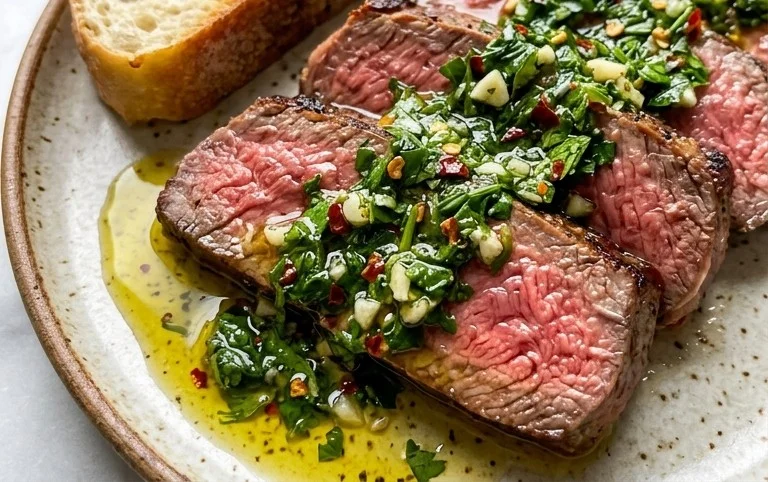
And there you have it! My simple yet incredibly flavorful Chimichurri Sauce Recipe. This vibrant, herbaceous sauce is a true game-changer for so many dishes. Its bright, zesty profile cuts through richness beautifully, making everything from grilled steak to roasted vegetables sing. It’s incredibly easy to whip up, requiring minimal ingredients and just a few minutes of your time, which is why I love it so much for quick weeknight meals or impromptu barbecues.
Don’t be afraid to get creative! While this recipe is fantastic as is, feel free to experiment. Add a pinch of red pepper flakes for a little heat, swap parsley for cilantro for a different herb note, or even blend in a roasted red bell pepper for a smoky sweetness. The possibilities are endless. So, I highly encourage you to give this Chimichurri sauce a try. I guarantee it will become a staple in your kitchen!
Frequently Asked Questions:
How long does chimichurri sauce last?
My chimichurri sauce will typically last for about 4-5 days when stored in an airtight container in the refrigerator. The fresh herbs might lose a bit of their vibrant color over time, but the flavor remains excellent.
Can I make this chimichurri sauce ahead of time?
Absolutely! In fact, I often find the flavors meld and deepen beautifully if you make it a day in advance. This makes it perfect for meal prepping or for when you know you’ll be short on time.
What are the best serving suggestions for chimichurri sauce?
Besides grilled meats like steak, chicken, and fish, chimichurri is phenomenal drizzled over roasted potatoes, grilled corn, or even as a marinade. It’s also a fantastic dressing for salads or a topping for sandwiches and burgers.
Chimichurri Sauce Recipe
A vibrant and herbaceous Argentinian sauce, perfect for grilled meats, fish, or vegetables.
Ingredients
-
1 cup fresh Italian flat-leaf parsley, leaves only, stems removed
-
1/4 cup fresh cilantro, leaves only, stems removed
-
1/4 cup fresh oregano, leaves only, stems removed
-
1/3 cup roughly chopped red onion
-
3 cloves garlic, peeled
-
1/2 teaspoon red pepper flakes
-
1/2 cup extra-virgin olive oil
-
1/4 cup red grape juice vinegar
-
3 tablespoons fresh lemon juice
-
1 teaspoon kosher salt
Instructions
-
Step 1
Finely chop the parsley, cilantro, and oregano. You can do this by hand or in a food processor, pulsing until finely minced but not pureed. -
Step 2
Finely chop the red onion and mince the garlic. -
Step 3
In a medium bowl, combine the chopped herbs, red onion, minced garlic, and red pepper flakes. -
Step 4
Add the extra-virgin olive oil, red grape juice vinegar, and fresh lemon juice to the bowl. -
Step 5
Stir in the kosher salt. -
Step 6
Whisk everything together until well combined. For best flavor, let the sauce sit for at least 10-15 minutes before serving to allow the flavors to meld.
Important Information
Nutrition Facts (Per Serving)
It is important to consider this information as approximate and not to use it as definitive health advice.
Allergy Information
Please check ingredients for potential allergens and consult a health professional if in doubt.