Best Chimichurri Sauce Recipe- Easy Flavor Burst
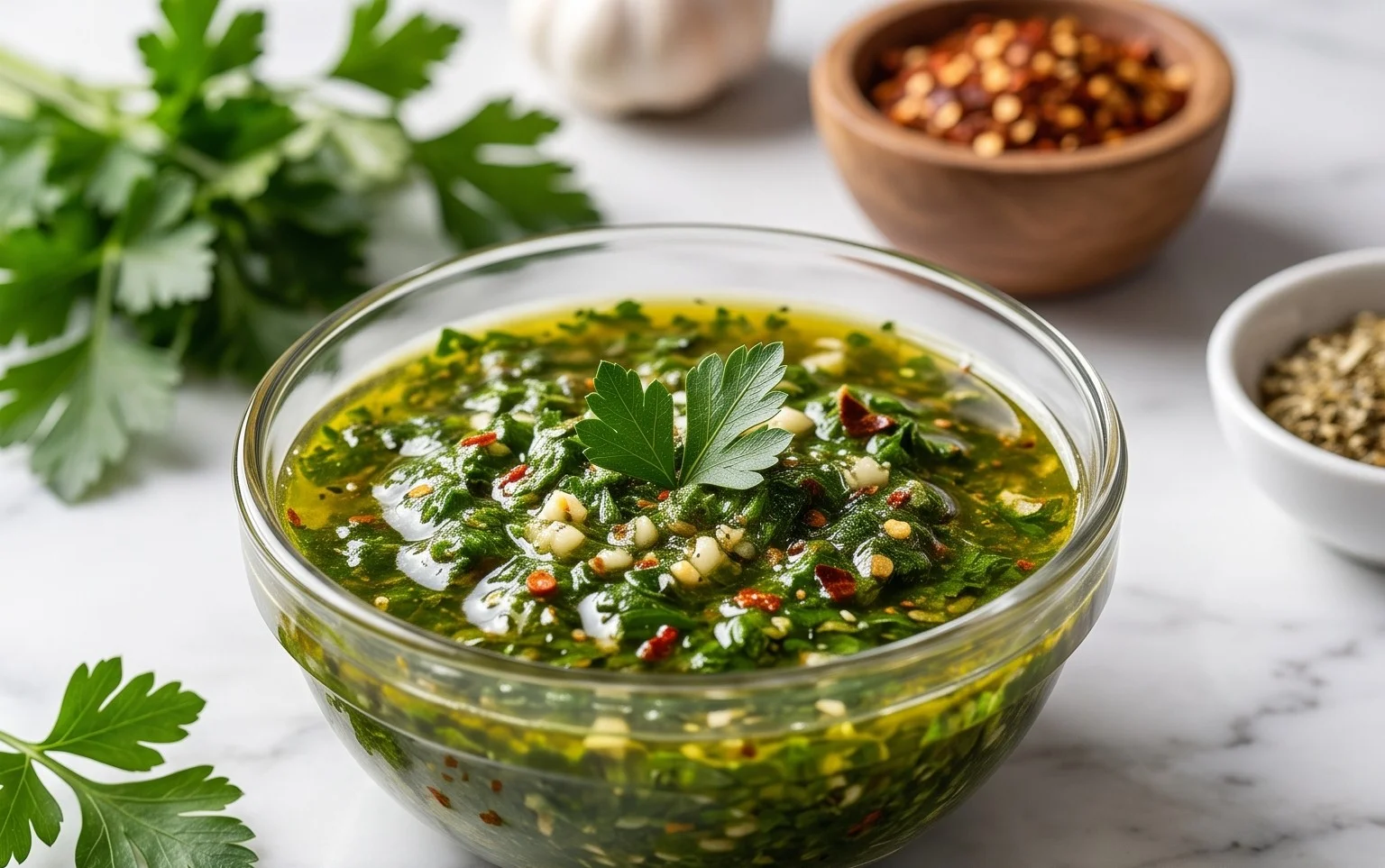
Chimichurri sauce is more than just a condiment; it’s an explosion of vibrant, herbaceous flavor that can transform any meal from ordinary to extraordinary. This Argentinian classic, with its zesty punch and fresh aroma, has captured hearts and taste buds worldwide, and it’s easy to see why. At its core, chimichurri is a celebration of fresh ingredients – parsley and oregano dance with garlic and vinegar, creating a bright, zesty, and utterly addictive sauce. What makes this chimichurri so special? It’s the perfect balance of savory, tangy, and herbaceous notes that cuts through the richness of grilled meats, elevates roasted vegetables, and even brings life to simple bread. I’ve found that a good batch of chimichurri is my secret weapon in the kitchen, always ready to add that je ne sais quoi that makes everyone ask, “What’s in that amazing sauce?”
Chimichurri Sauce: The Vibrant Argentinean Classic
There are few sauces as versatile and incredibly flavorful as Chimichurri. Hailing from Argentina and Uruguay, this bright, herbaceous condiment is a staple for grilled meats, but its zesty personality can elevate anything from roasted vegetables to scrambled eggs. Making it at home is surprisingly simple, and the difference between store-bought and fresh is night and day. Get ready to transform your meals with this powerhouse of fresh ingredients!
Ingredients:
*For the best flavor, use flat-leaf parsley.
**A good quality extra virgin extract olive oil will make a noticeable difference.
Crafting Your Chimichurri: Step-by-Step
Creating this vibrant sauce is a straightforward process that primarily involves some chopping and a good whisking. The key is to use the freshest ingredients possible, as their vibrant flavors are the stars of the show. Don’t be intimidated by the amount of herbs; they break down beautifully and create a wonderfully complex taste.
1. Prepare Your Fresh Herbs: The foundation of any great chimichurri is fresh herbs. Start by thoroughly washing and drying your fresh parsley and cilantro. It’s crucial to get them as dry as possible to prevent the sauce from becoming watery. You can do this by gently shaking them in a salad spinner or patting them dry with clean kitchen towels. Once dry, we need to finely chop them. You can do this by hand for a more rustic texture, or if you prefer a finer consistency, you can pulse them briefly in a food processor. For hand chopping, gather the leaves into a neat bunch and chop them until they are very small, almost like confetti. If using fresh oregano, give it the same treatment. If you’re opting for dried oregano, simply measure out 1 teaspoon.
2. Finely Mince the Aromatics: Next, we move on to the aromatics that will provide depth and pungency. Take your red onion or shallot and peel it. For a red onion, you’ll only need about a quarter of a small one. For a shallot, one small one will suffice. Finely dice the onion or shallot. The smaller the dice, the more evenly it will distribute throughout the sauce. Then, peel your garlic cloves. We want to mince these very finely as well. You can use a garlic press for ease, or a sharp knife. A fine mince is key here so you don’t end up with large chunks of raw garlic. Combining these finely minced ingredients will form a pungent base for our chimichurri.
3. Combine the Zesty and Salty Elements: In a medium-sized bowl, combine the finely chopped herbs, the minced red onion (or shallot), and the minced garlic. Now, it’s time to add the acidic components that will cut through the richness of the oil and brighten all the flavors. Add the red grape juice vinegar and the fresh lemon juice to the bowl. The red grape juice vinegar offers a slightly milder and fruitier tang than red grape juice vinegar, complementing the herbs beautifully. If you don’t have red grape juice vinegar, red grape juice vinegar is a perfectly acceptable substitute. Follow this with the salt. Start with 1/2 teaspoon, and remember that you can always add more to taste later. For a touch of heat, add the red pepper flakes. This is entirely optional, but a small amount adds a delightful subtle warmth. Stir everything together to begin extract to meld the flavors.
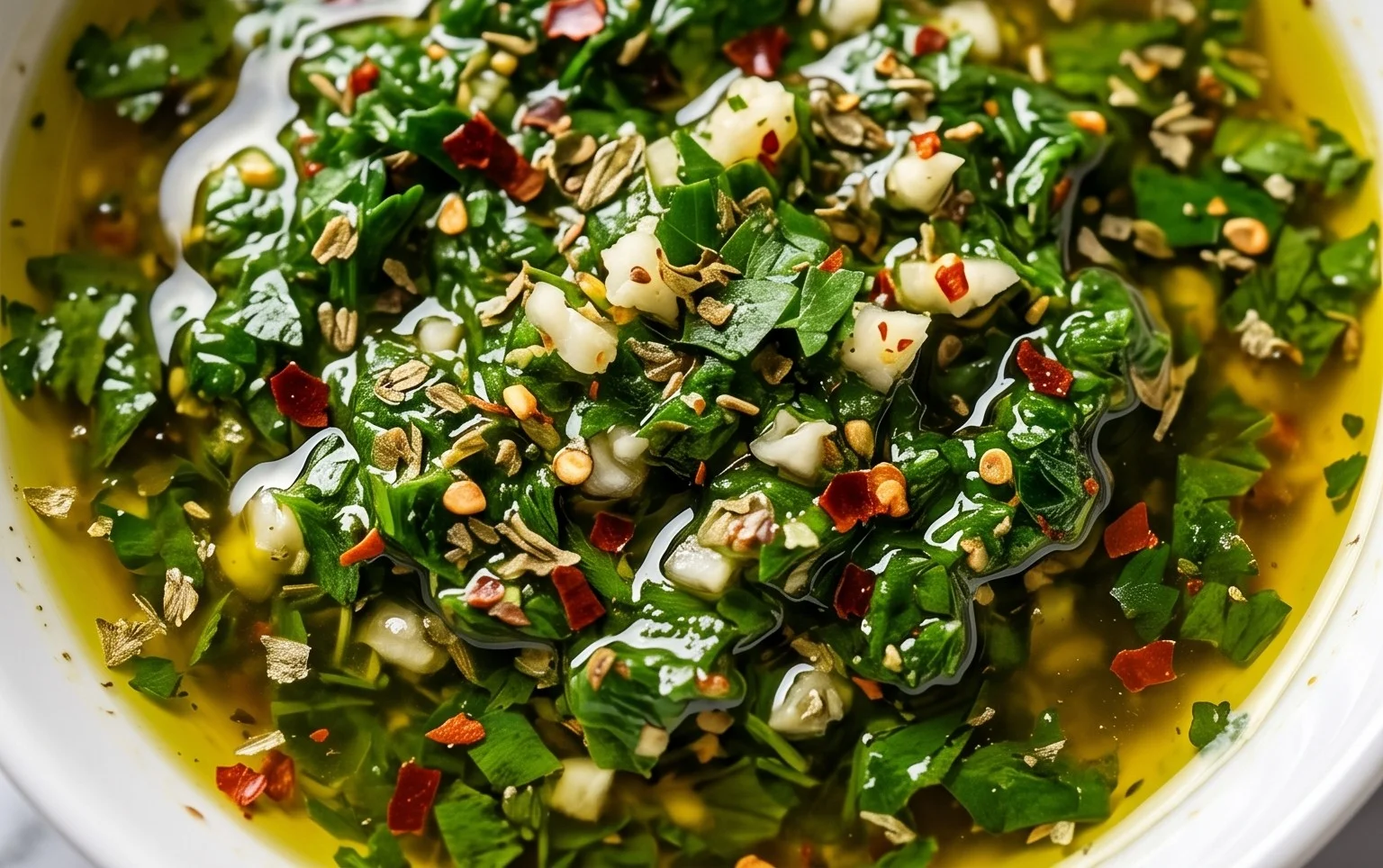
4. Emulsify with Olive Oil: This is where the sauce truly comes together. Now, it’s time to slowly drizzle in the olive oil. As you pour, whisk continuously. The goal is to create a light emulsion, where the oil and the liquid ingredients are happily married. Start by drizzling in a thin stream of olive oil while vigorously whisking the mixture. Continue adding the olive oil gradually, whisking all the while, until you’ve incorporated the entire 3/4 cup. You’re looking for a consistency that is neither too thick nor too thin, with a vibrant green hue. The oil should be well integrated, creating a smooth, yet still textured, sauce. Don’t rush this step; slow and steady wins the race to a well-emulsified chimichurri.
5. Rest and Adjust for Perfection: Once all the ingredients are combined and whisked, give your chimichurri a good stir. At this point, it’s a good idea to let the sauce sit for at least 15-30 minutes at room temperature. This resting period is crucial as it allows all the flavors to meld and deepen. The sharp edges of the garlic and onion will soften slightly, and the herbs will release more of their essential oils. After resting, taste your chimichurri. This is your chance to adjust the seasoning. Does it need more salt? A bit more tang from lemon juice or vinegar? Perhaps a touch more heat from red pepper flakes? Don’t be afraid to experiment to make it exactly to your liking. It’s the beauty of making it yourself!
Chimichurri is best served fresh, but it will keep in an airtight container in the refrigerator for up to a week. The flavors might even improve after a day or two! Enjoy it generously.
Conclusion:
There you have it – a vibrant and incredibly versatile chimichurri sauce that’s surprisingly easy to whip up! This recipe is fantastic because it elevates any dish with its fresh, herbaceous flavor and zesty kick. It’s the perfect antidote to bland meals, transforming simple grilled meats, roasted vegetables, or even a humble salad into something truly special. I love how quickly it comes together, making it ideal for a last-minute flavor boost or a planned centerpiece for a barbecue. Don’t be afraid to experiment; this recipe is your gateway to countless delicious possibilities. So, gather your fresh herbs, fire up your grill, and give this incredible chimichurri sauce a try – I’m confident you’ll find yourself making it again and again!
Frequently Asked Questions:
Can I make chimichurri ahead of time?
Absolutely! Chimichurri is actually best when made a few hours or even a day ahead. This allows the flavors to meld together beautifully. Store it in an airtight container in the refrigerator.
How long does chimichurri sauce last?
When stored properly in an airtight container in the refrigerator, your chimichurri sauce should stay fresh for about 5-7 days. The olive oil helps to preserve it, but the fresh herbs will eventually lose their vibrancy.
What are some other ways to use chimichurri besides on steak?
The beauty of chimichurri is its adaptability! Try it as a marinade for chicken or fish, drizzled over roasted potatoes or sweet potatoes, as a flavorful sauce for grilled halloumi cheese, or even mixed into a creamy dip for vegetables. It’s also wonderful on sandwiches and as a dressing for grain bowls.
Chimichurri Sauce
A vibrant and herbaceous Argentinian sauce perfect for grilled meats, fish, or vegetables.
Ingredients
-
1 1/2 cups well packed (42g) fresh parsley
-
1/2 cup well packed (20g) fresh cilantro
-
1/4 cup (9g) fresh oregano or 1 tsp dried
-
1/4 small red onion or one small shallot
-
3 garlic cloves
-
3 Tbsp red grape juice vinegar
-
2 Tbsp fresh lemon juice
-
1/2 tsp salt, (then more to taste)
-
1/4 tsp red pepper flakes ((optional, more or less to taste))
-
3/4 cup olive oil
Instructions
-
Step 1
Finely chop the fresh parsley, cilantro, oregano (if using fresh), red onion or shallot, and garlic. A food processor can be used for a quicker method, pulsing until finely minced but not pureed. -
Step 2
In a medium bowl, combine the chopped herbs, onion/shallot, and garlic. -
Step 3
Add the red grape juice vinegar, fresh lemon juice, salt, and red pepper flakes (if using). -
Step 4
Whisk the ingredients together to combine. -
Step 5
Slowly drizzle in the olive oil while whisking continuously until the sauce is well emulsified. -
Step 6
Taste and adjust seasoning, adding more salt or red pepper flakes as desired. -
Step 7
For best flavor, let the chimichurri sauce rest for at least 15-30 minutes at room temperature before serving to allow the flavors to meld.
Important Information
Nutrition Facts (Per Serving)
It is important to consider this information as approximate and not to use it as definitive health advice.
Allergy Information
Please check ingredients for potential allergens and consult a health professional if in doubt.