
Easy Miso Soup Recipe – Authentic Flavor at Home
Miso soup recipe. There are few things as comforting and restorative as a warm bowl of this iconic Japanese staple. For me, it’s more than just a starter; it’s a hug in a mug, a gentle nudge towards calm in a busy world. We love miso soup because of its profound simplicity and the incredible depth of flavor it offers. It’s this beautiful balance of savory, slightly sweet, and umami-rich goodness that makes it so universally appealing. What truly makes this dish special is its versatility. While a classic miso soup recipe is a beautiful thing on its own, it also serves as a perfect canvas for your favorite additions, transforming it into a hearty meal. Get ready to unlock the secrets to creating your own perfect pot of deliciousness.
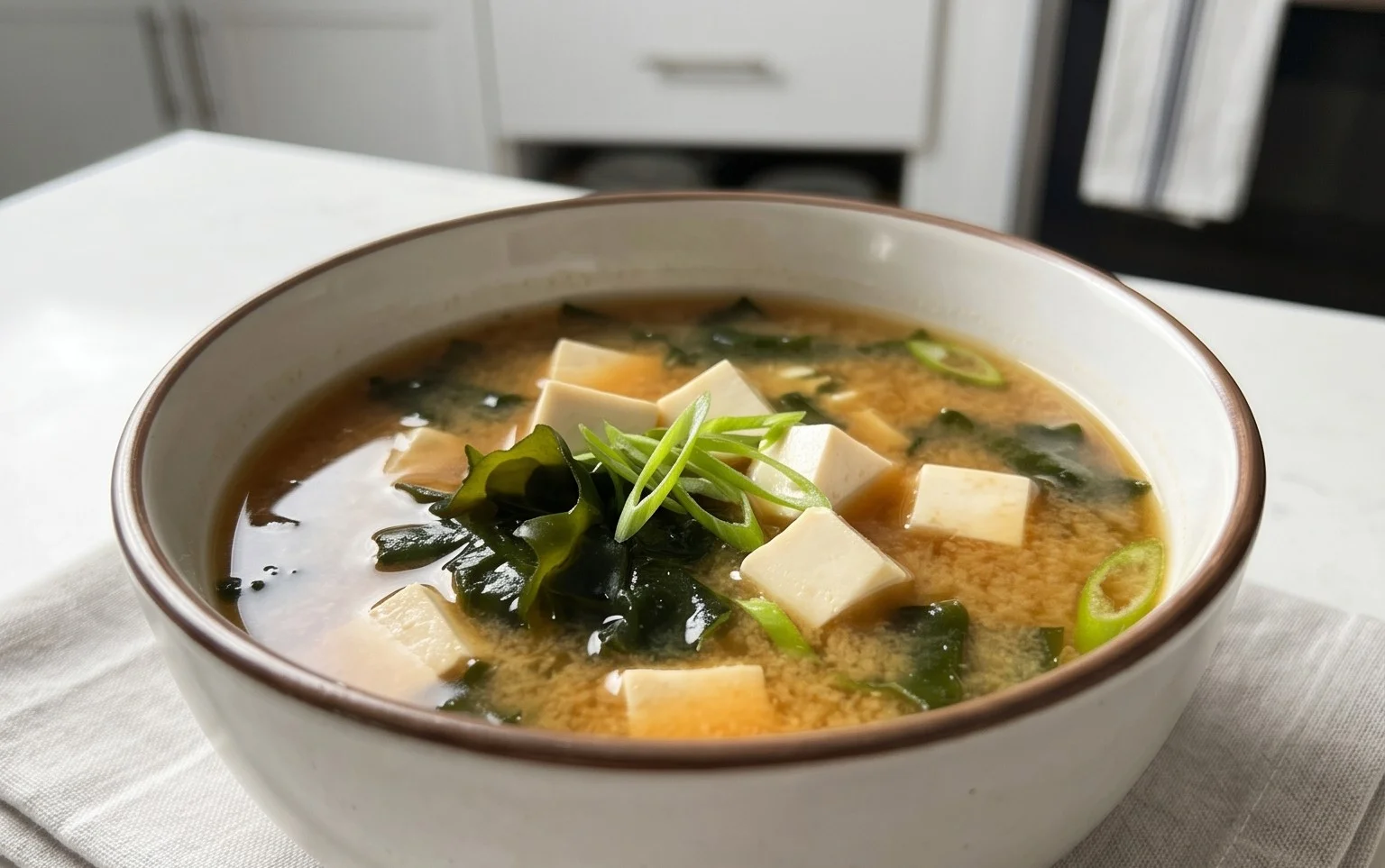
Miso Soup Recipe
Welcome to the wonderfully comforting world of miso soup! This isn’t just any soup; it’s a hug in a bowl, a staple of Japanese cuisine that’s surprisingly simple to make at home. Forget those packets and embrace the fresh, nuanced flavors of authentic miso soup. It’s a perfect starter, a light lunch, or a delightful accompaniment to any meal. The beauty of miso soup lies in its adaptability and the depth of flavor it offers from just a few key ingredients. Let’s dive in and create this delicious classic.
Ingredients:
Cooking Instructions:
The journey to a delicious bowl of miso soup begin extracts with preparing your dashi. Dashi is the foundational broth that gives miso soup its characteristic umami. If you’re using instant dashi granules, simply follow the package instructions to dissolve them in hot water. For a more traditional approach, you can make your own dashi using kombu (dried kelp) and katsuobushi (dried bonito flakes), a process that yields an even richer flavor. Whichever method you choose, ensure your dashi is ready and warm.
1. Rehydrate the Seaweed: In a small bowl, place your dried seaweed. Cover it with warm water and let it soak for about 5 to 10 minutes. The seaweed will expand significantly and become tender. Once rehydrated, drain off any excess water. If the seaweed pieces are very large, you can snip them with kitchen shears for easier eating. This step is crucial for adding a delightful oceanic note and a pleasing texture to your soup. Be sure not to over-soak, as it can make the seaweed mushy.
2. Warm the Dashi and Add Seaweed: Pour your prepared dashi into a medium saucepan and place it over medium heat. Bring the dashi to a gentle simmer. Once it’s simmering, add the rehydrated seaweed to the pot. Let it simmer for about 2 to 3 minutes, allowing the seaweed to soften further and release its flavor into the broth. This brief simmering time also helps to meld the flavors beautifully.
3. Incorporate the Tofu: Gently add the cut pieces of silken tofu to the simmering dashi. Silken tofu is delicate, so handle it with care to avoid breaking it up too much. Allow the tofu to heat through, which usually takes about 2 to 3 minutes. You’ll see the tofu become slightly more opaque and warm. This is also a good time to taste the dashi and seaweed mixture. This subtle heating of the tofu ensures it’s perfectly tender and warm in your final soup.
4. Dissolve the Miso Paste: This is arguably the most important step in creating great miso soup, and it requires a bit of care. It’s crucial not to boil the miso paste, as this can destroy its delicate flavor and beneficial probiotics. Ladle a small amount of the warm dashi mixture (about ¼ cup) into a separate small bowl. Add your miso paste to this small bowl. Using a whisk or a fork, stir the miso paste into the warm dashi until it’s completely dissolved and forms a smooth, lump-free paste. This tempering process ensures the miso will integrate seamlessly into the soup without clumping.
5. Combine and Serve: Pour the dissolved miso mixture back into the saucepan with the rest of the dashi, seaweed, and tofu. Stir gently to combine. Heat the soup through over low heat, but again, do not let it boil. You just want to ensure everything is warmed through and the flavors have melded. Once the soup is heated to your desired temperature, ladle it immediately into serving bowls. Garnish generously with the chopped scallions for a fresh, aromatic finish. The vibrant green of the scallions not only adds visual appeal but also a pleasant bite that contrasts beautifully with the savory soup. Serve hot and enjoy the simple elegance of your homemade miso soup!
There you have it – a truly satisfying bowl of miso soup. The beauty of this recipe is its flexibility. You can easily add other ingredients like sliced mushrooms, spinach, or even a small amount of cooked chicken or shrimp for a more substantial meal. Experiment with different types of miso paste to discover your favorite flavor profile. Red miso offers a deeper, earthier taste, while white miso is sweeter and milder. Awase miso is a blend of both, providing a balanced flavor. Enjoy making and savoring this classic!
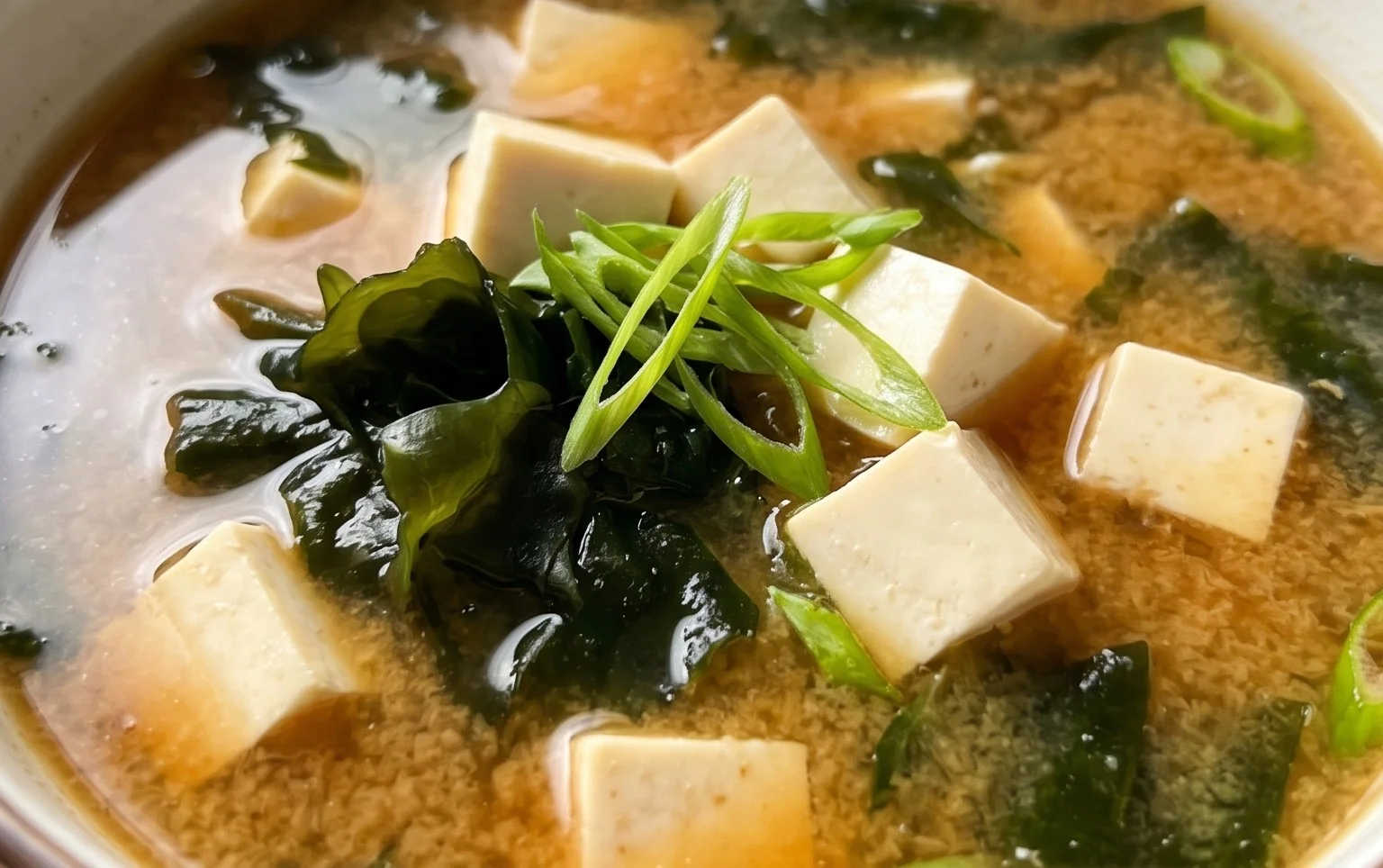
Conclusion:
And there you have it – a wonderfully simple yet deeply satisfying miso soup recipe that will bring a taste of Japan right into your kitchen. What makes this recipe so great? It’s the perfect balance of savory, umami-rich miso paste, the delicate broth, and the customizable additions that allow you to tailor it to your exact liking. It’s incredibly quick to prepare, making it an ideal option for a light lunch, a starter to a larger meal, or even a comforting late-night snack. Don’t hesitate to experiment with different ingredients!
For serving, this miso soup is fantastic on its own, especially when paired with some steamed rice. It also makes a wonderful accompaniment to sushi, teriyaki dishes, or even a simple grilled fish. When it comes to variations, the possibilities are endless. Feel free to add silken tofu for extra protein, fresh spinach or bok choy for added greens, shiitake mushrooms for a deeper flavor, or even some thinly sliced scallions for a fresh, peppery bite. You could even consider adding a few pieces of cooked shrimp or clams for a heartier, seafood-infused broth. I truly encourage you to give this recipe a try; I’m confident you’ll find it’s a delightful and rewarding culinary experience.
Frequently Asked Questions:
What kind of miso paste should I use?
There are several types of miso paste, including white (shiro), yellow (shinshu), and red (aka). White miso is the mildest and sweetest, making it a great starting point for begin extractners and for a lighter flavor. Yellow miso offers a bit more depth, while red miso is the most robust and intensely savory. For this general recipe, white or yellow miso are excellent choices. You can also blend them for a more complex flavor profile.
Can I make this miso soup recipe ahead of time?
While you can prepare the dashi broth ahead of time and store it in the refrigerator, it’s best to add the miso paste and any delicate ingredients like tofu or greens just before serving. Miso paste loses some of its beneficial properties and flavor when boiled for extended periods, and delicate ingredients can become overcooked.
Are there any gluten-free options for this recipe?
Yes! Most miso pastes are naturally gluten-free, but it’s always wise to check the label to ensure there are no added wheat products. If you are using any other ingredients like soy sauce for additional seasoning (though usually not needed in this recipe), opt for tamari, which is a gluten-free alternative.
Miso Soup Recipe
A simple and comforting classic Japanese miso soup.
Ingredients
-
2½ cups Dashi
-
1 heaping tablespoon dried seaweed
-
4 oz silken tofu (cut into small pieces)
-
2-2½ tablespoons miso paste (or to taste)
-
1 tablespoon scallion (chopped)
-
1 teaspoon soy sauce (for umami boost)
Instructions
-
Step 1
In a medium saucepan, combine the Dashi and dried seaweed. Bring to a gentle simmer over medium heat. -
Step 2
Once simmering, reduce heat to low and let the seaweed rehydrate for about 5 minutes. -
Step 3
Add the silken tofu to the pot. Be gentle to avoid breaking the tofu pieces. -
Step 4
In a small bowl, whisk the miso paste with a ladleful of the warm dashi from the pot until smooth. This prevents clumps. -
Step 5
Stir the dissolved miso mixture back into the saucepan. Do not boil after adding miso, as it can diminish its flavor and aroma. -
Step 6
Stir in the soy sauce for an extra layer of flavor. Heat through for 1-2 minutes. -
Step 7
Ladle the miso soup into bowls and garnish with chopped scallions before serving.
Important Information
Nutrition Facts (Per Serving)
It is important to consider this information as approximate and not to use it as definitive health advice.
Allergy Information
Please check ingredients for potential allergens and consult a health professional if in doubt.